Ohemaa Poku is Changing the Future of Mental Health

Global Play Brigade • December 12, 2025

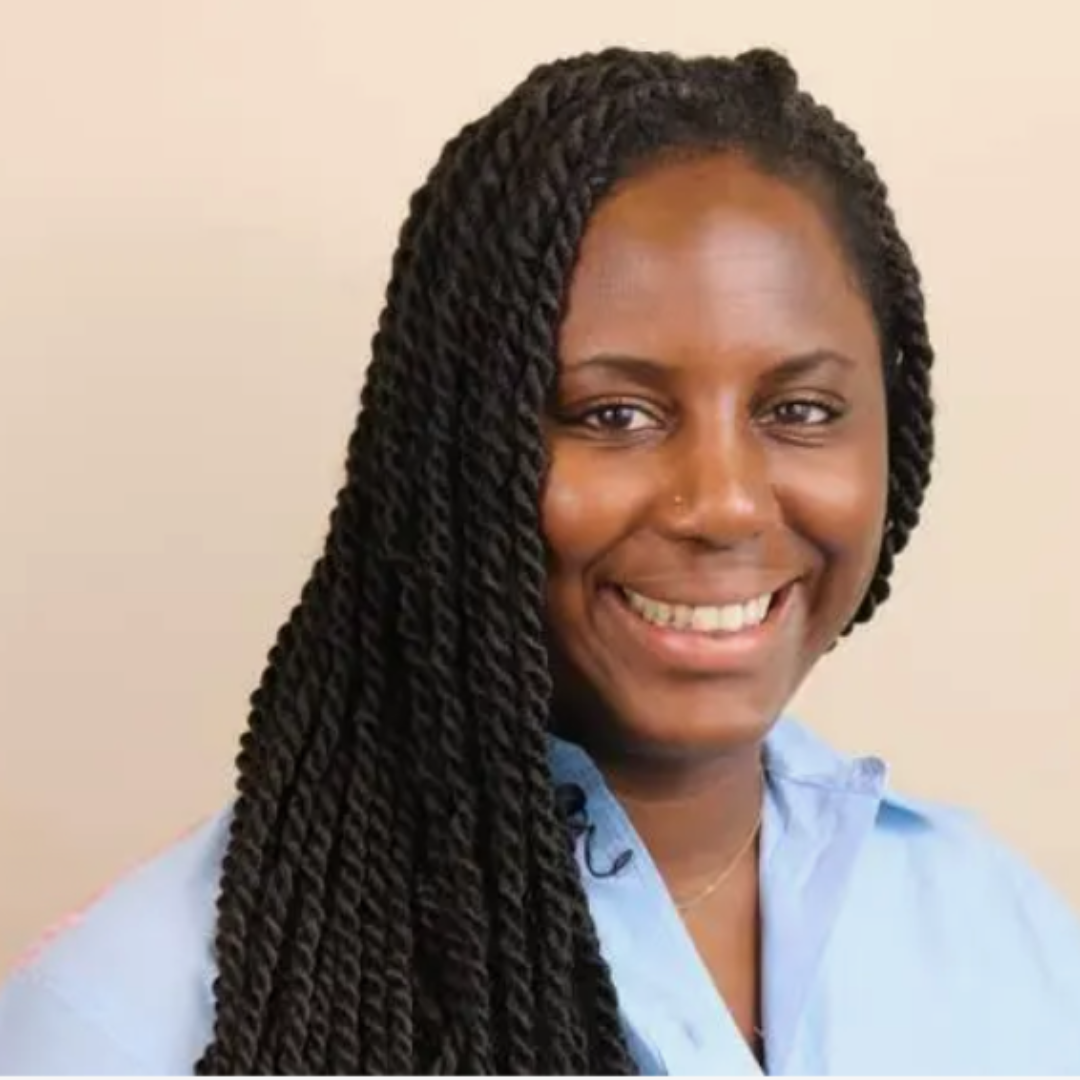
One of our newest brigadiers, Ohemaa Poku, is changing the Future of Mental Health


Hear ye, hear ye! GPB has its very first GPB Correspondent. That’s right (snap!). She is Godsdelight Agu, a writer, storyteller, and mental health advocate from Lagos, Nigeria. She has been on a quest to get to know more about our Global Play Brigadiers. Her discoveries? The genius, heartfelt, and artful stories of Brigadier Ohemaa Poku (USA). The interview has been edited for length and clarity.


Assistant Professor Ohemaa Poku, PhD, MPH, MSW, grew up at the intersection of three worlds: the United States, the Caribbean, and Ghana. 


Ohemaa shared with me that throughout her childhood, mental health simply wasn’t something people talked about. As she spoke, I could hear the weight of the cultural silence she grew up around. Silence in the home, among friends, and even among relatives who were doctors and nurses. What moved me was that what has come to be her life’s work didn’t come from academic curiosity; it came from personal absence, and that gap stayed with her. It made her wonder: "If we don’t talk about this, how many people are suffering in the shadows?"


Instead of turning away, she leaned in. She chose a path that many people in her communities didn’t even have a language for yet. And she wanted to serve African and immigrant populations, those who carry not just the burden of illness, but the burden of cultural expectations, migration stress, and stigma.


As she shared the story of her journey, from her role as Assistant Professor of Global Mental Health at Columbia University, to teaching the next generation of clinicians, to her research with adolescents, I realized how deeply personal all of this is for her. Teaching isn’t a job; it’s her way of giving others the tools she wished her own community had while growing up. And so not surprisingly, one of the most rewarding parts of her job is “watching people grow into the professionals our communities need.”


But the part of our conversation that surprised me most was when she began talking about play. For years, she worked in traditional research and clinical spaces, including a mentorship with One Mind. But joining the Global Play Brigade (GPB) shifted something. She described GPB like a breath of fresh air; a space where psychologists, social workers, and psychiatrists come together not just to talk about mental health but to humanize it.


Play, she believes, does what lectures and charts often cannot do. It lowers defenses. It invites connection. It turns discomfort into courage. And in communities where stigma runs deep, play can open doors that therapy alone struggles to unlock. By the end of our conversation, I wasn’t thinking about her credentials. I was thinking about the young people she studies, the immigrant families she advocates for, and the future professionals she trains. I was thinking about how much it matters that someone like her exists in these spaces.


Ohemaa isn’t just researching mental health; she’s rewriting who gets to talk about it, who gets to access it, and what it looks like when culture, compassion, and play meet. She does this through her work as an Assistant Professor of Global Mental Health (in Psychiatry) and Director of Education and Training Initiatives for the Columbia-WHO Center for Global Mental Health at Columbia University, where she shapes the minds of her students, who in turn become future mental health professionals. 


She believes play can help us change the conversation. After listening to her story, I believe Ohemaa is right.

By Global Play Brigade December 12, 2025
CHANGEMAKERS PLAYFEST 2025: Creating Power Through Play If there are two things that define Global Play Brigade, it’s this: First, we love to experiment. We breathe it, build with it, and follow through. GPB isn’t just curious; we are invested in the process and its lessons. Secondly, we love partnerships. Whenever we see an organization dreaming in the direction we dream, we run toward them joyfully, arms open, ready to build something bigger, wider, and wilder. These two parts of who we are collided beautifully at the Changemakers Playfest 2025. GPB featured on Day One of the Performing The World (PTW) 2025, titled: Meandering Through the Mess . It was a conference within a conference, a global playground nestled inside another. Woven into the PTW ecosystem, the energy was electric. GPB’s Executive Director, Rita Ezenwa-Okoro, opened the Changemakers Play Festival with words that set the tone. She spoke of faith and turning mess into message, how changemakers need to navigate complexities without succumbing to burnout, and how play offers a radical way to imagine new possibilities and create hope. Watch Rita’s speech here! One of the participants reflected: “Rita’s speech didn’t just inspire; it was tactile, lived, and actionable. Her words invited participants to sit with complexity without fear, to recognize that navigating mess isn’t chaos, it’s courage in motion.” One of the facilitators added: “Her remarks slowed everyone down, encouraging a collective meandering, turning abstract ideas into lived experience. The festival began not with instruction, but with invitation: to play, to explore, and to build together.” The Art of Connected Conversations playshop turned ordinary talk into bridges. Led by Cathy Salit (USA) and Kahlil Bagatsing (Philippines/USA), participants discovered that listening can be playful, bold, and transformative. “I never knew a conversation could feel like a bridge,” one participant reflected. Their conversations became a space for curiosity, care, and co-creation. Teamwork Makes the Dreamwork sparked laughter and delightful absurdity. Hikaru Hie (Japan), Yvette Alcott (Australia), and Toto Carandang (Philippines) invited participants into improvisational chaos. Everyone became experts at impossible tasks, discovering that teamwork thrives in trust, surprise, and shared play. Power Games in the Workplace / Los Juegos de Poder en Ambientes de Trabajo made invisible dynamics visible. Viviane Carrijo (Brazil), Jordan Hirsch (USA), and Carlos Gaviria (Colombia) guided participants through theater games exploring dominance, influence, and collaboration. One participant reflected, “I’ve been both the oppressor and the oppressed, and play can help us imagine new ways forward.” Power became something to explore, understand, and transform together. Connection and intimacy unfolded in unexpected ways. In one exercise, participants shared the (his)story of their names and responded to each other with curiosity and reflection. Strangers became collaborators within minutes. The festival showed that play isn’t just fun, it’s a strategy for building trust, creativity, and global community. Across continents and cultures, laughter, improvisation, and shared curiosity revealed our common humanity, while playful experimentation offered new ways to imagine, collaborate, and lead with care.
By Global Play Brigade December 12, 2025
HEART & POWER: Bringing the World Closer to Wellness In a world where over 1 billion people are living with mental-health disorders and only one in five get the help they need, Global Play Brigadiers converged this past August at our Heart and Power Playshop to explore the question: How can we bring the world closer to wellness through play? Our carefully curated playshops included: In Embodied Empathy , people didn’t just talk about feelings; they moved them. One participant described the moment they felt another person’s sadness through a simple hand gesture, saying, “It was like my body understood before my mind did.” Guided by Christopher Ellinger (USA) and Jacek Kulkuk (Poland), the Zoom room softened. People softened. Empathy became physical. In What Is Wellness? , a big shift happened. Someone said, “I always thought wellness was personal, but now I see it’s something we build together.” With Lambert Oigara (Kenya), Jeff Gordon (Israel), Jenn Bullock (USA), and Muneeb ur Rehman (Pakistan), wellness became communal, a shared construction site where everyone created new tools. Imagine watching someone’s story turn into choreography; a literal dance of lived experience. Led by Ruben Reyes (Spain), Zara Barryte (USA), Sally Oimbo (Kenya), and Prudence Omale (Nigeria), Story-o-graphy gave participants a chance to see their stories move through another person’s body. It wasn’t just creative. It was healing. Rainbows of Emotions gave us the full colour spectrum of human feelings, from joy to grief to curiosity to frustration. It finally made sense that emotions aren’t good or bad… they’re information, one participant reflected. Steered by Ishita Sanyal (India), Manisita Khastagir (India), Rick Horner (USA), and Medhavi Parmar (India), people painted emotional rainbows with movement, sound, and imagination. Heart & Power didn’t end when Zoom closed. It ignited a new awareness that wellness isn’t a luxury, but a shared responsibility. People walked away with softer hearts, deeper breaths, and a renewed sense of connection across borders, cultures, and personal histories. It reminded us that play can be a global mental-health intervention. It can be one that honours the emotional, cultural, spiritual, and embodied realities. To every participant who danced, moved, cried, laughed, breathed, and played with us, we say THANK YOU. To our brilliant Playcilitators, thank you for guiding the world with courage and creativity. To our hosts, Rita Ezenwa-Okoro (Nigeria), Charly Ford (USA), Murray Dabby (USA), and Medhavi Parmar (India), your presence set the tone on both days. And to our indispensable tech team, you made HEART AND POWER come to life! Click to listen to the insightful musings on Heart & Power by Rita, our Executive Director! Click here to read the collaborative poem created by Heart & Power participants!